Winter preparation and protection
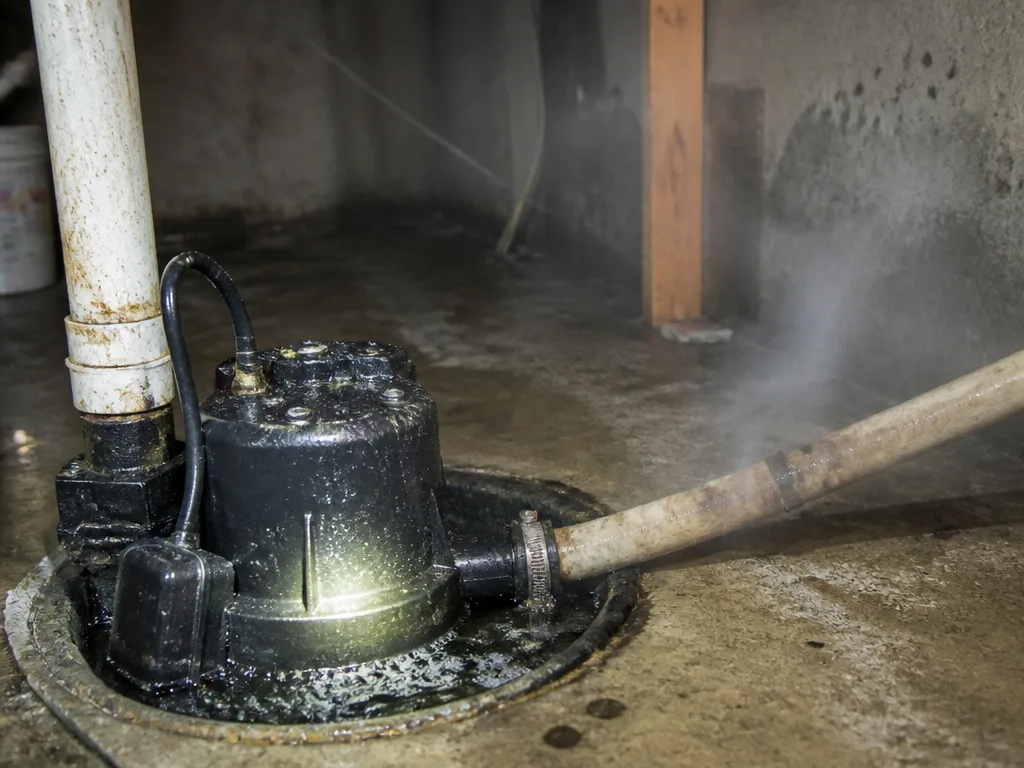
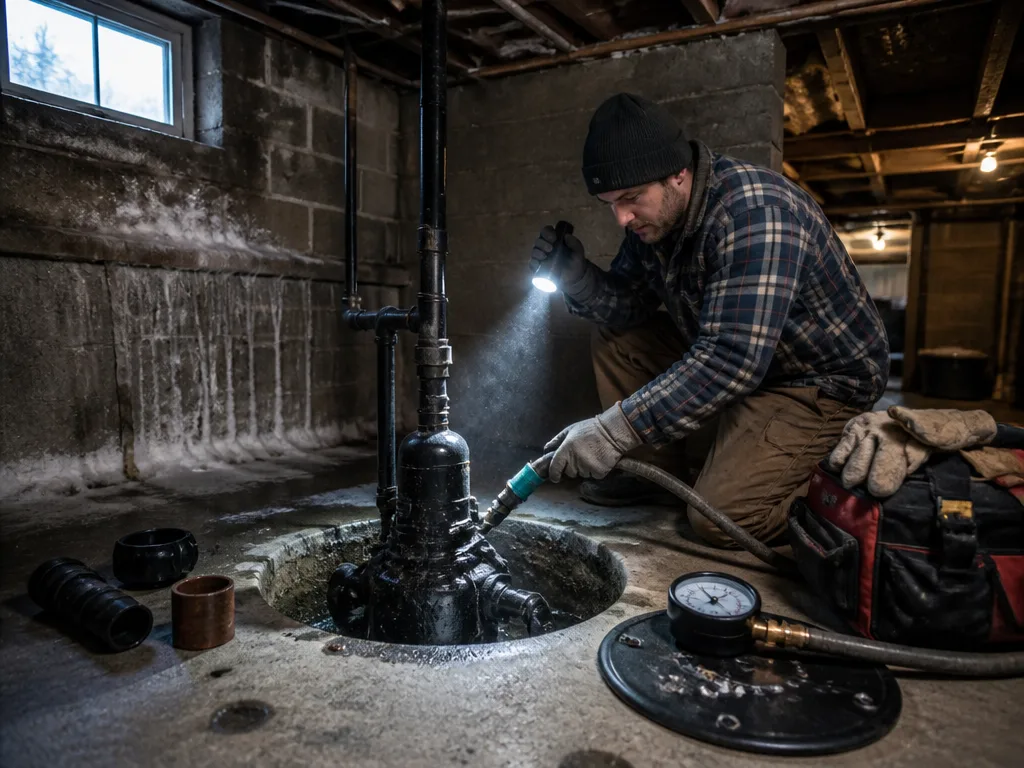
Cold months put extra stress on the ejector system. Start by inspecting the sump area for ice buildup and making sure the vent and discharge lines are clear. Keep the area around the unit accessible in case a service call becomes necessary. If the temperature drops quickly, avoid using the system heavily during the coldest stretches to prevent overloading the pump.
Ensure the power supply is stable and that any frost-free vent openings are free of obstructions. In North Dakota, extreme weather can push drains to their limit. A proactive checkup in late fall can catch problems before the snow flies.
Spring checks after snowmelt and rain
Spring brings a surge of water around homes statewide. A quick inspection after the first heavy rains helps you avoid a backup. Look for damp basements, slow drainage, or a wet sump area. If you notice these signs, call a plumber to assess the discharge line, check valve, and pump operation.
During spring, ground movement and shifting soil can alter piping alignment. A pro will verify the piping run and the slope of the discharge line to maintain proper gravity flow, reducing strain on the pump during peak runoff periods.
Year-round habits that matter
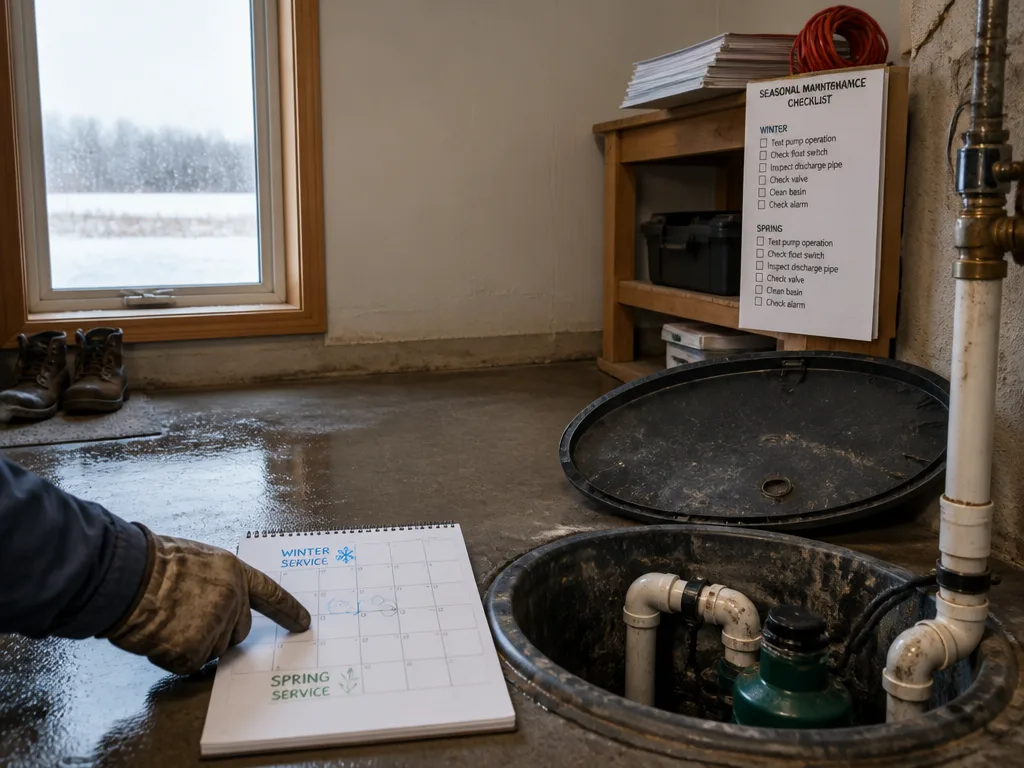
Keep a simple maintenance routine: test the pump periodically, listen for strange sounds, and document any changes in performance. Avoid flushing items that can clog the system and schedule professional inspections at regular intervals. In North Dakota, a predictable maintenance cadence helps your ejector pump survive the long heating season and the wetter months that follow.
North Dakota Ejector Pump Installation serves homeowners across the state with practical, down-to-earth advice and reliable service. If you notice anything off, reach out for a consultation and a plan that fits your home and schedule.